
Cellular Energy
▶︎ Watch it animatedinteractive step-through · ~3 min · optionalLife runs on energy, but a cell never makes it. Energy is neither created nor destroyed — it is only transformed from one form into another. When a cell does work, it converts energy that was already there: the chemical energy locked in the bonds of glucose becomes the chemical energy of ATP, and along the way some is always released as heat. Tracking energy through a cell means following it as it changes form, never watching it appear from nothing or vanish into it.
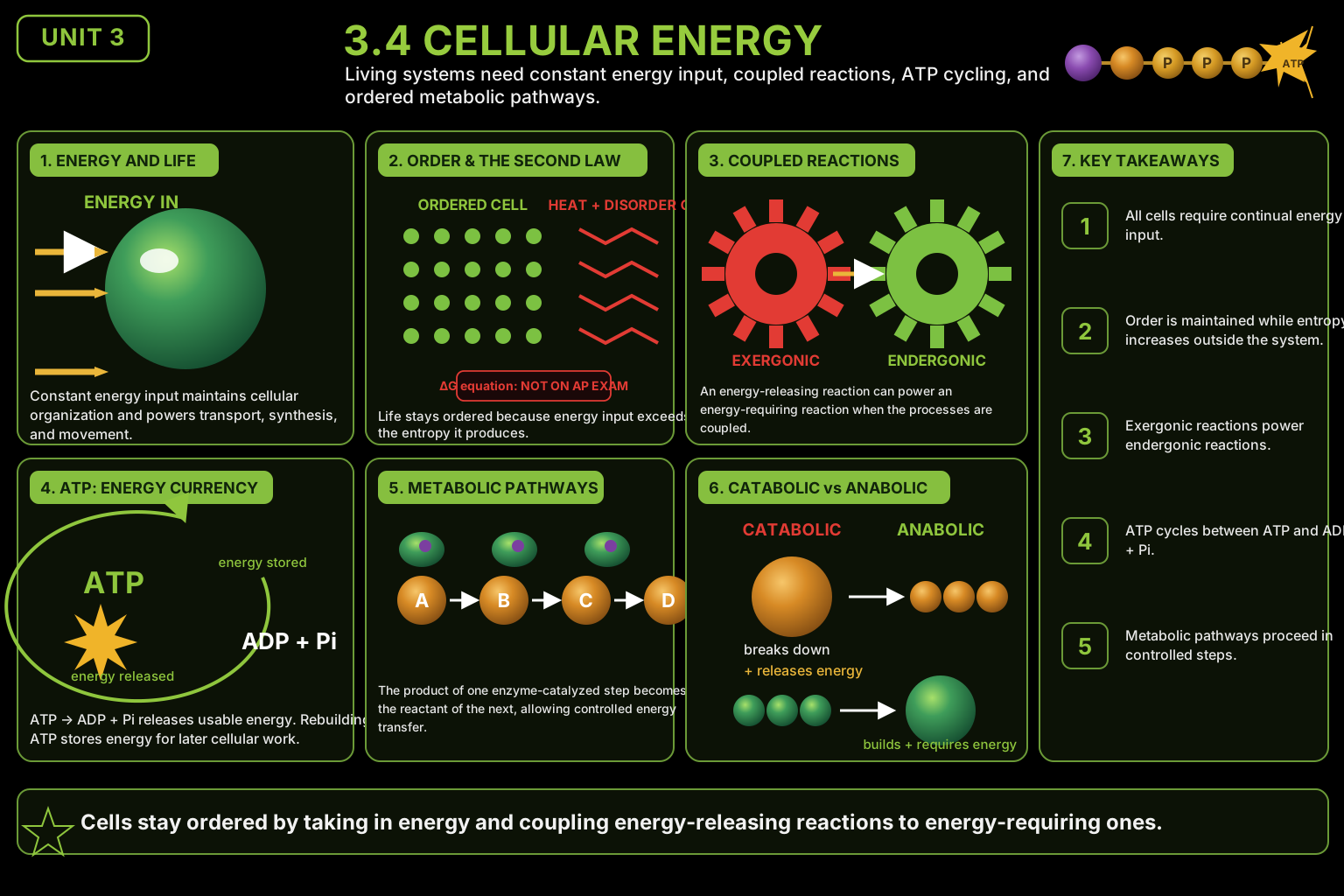
ATP is the cell's usable currency. It is not a long-term store of energy so much as the small, spendable form the cell can actually put to work — built up when energy is available and broken down the instant a reaction needs a push. Glucose holds far more energy overall, but the cell cannot spend glucose directly; it first transfers that energy into ATP, the form every energy-requiring process is built to accept.
Interactive · Cellular Energy
Follow the energy as it moves through the cell. Watch chemical energy transfer out of glucose and into ATP, see how much is released as heat at each step, and confirm that the total is only ever transformed — never created or destroyed.
Cellular Energy · Open the full sandbox →The mistakes here all break the accounting of energy. One is thinking that cells (or mitochondria) make or create energy, when in truth they only release and transform energy that was already stored in fuel (U3-BIO2). Another is misreading ATP — treating it as a bulk energy store rather than the cell's small, spendable currency, or forgetting that its energy came from somewhere else first (U3-BIO9). And the most common is picturing the mitochondrion as a place where energy is manufactured, when it is really where energy already held in glucose is released into ATP (U3-BIO10). Every scenario in this topic asks you to trace energy as it changes form and to refuse to let it appear or disappear.
The work
3 ways in · any order
Lesson
Cellular Energy
›
Energy in a cell is only ever transformed, never made — and following it means tracking it as it changes form. The lesson walks the ways students lose that thread: imagining cells or mitochondria create energy, misreading ATP as a bulk store instead of spendable currency, and treating the mitochondrion as an energy factory. It closes with a ten-scenario applet that asks you to trace energy from glucose to ATP and account for every joule.
Diagnostic
10-item topic check
›
Ten items on cellular energy — that energy is transformed, not made, so cells only release energy already stored in fuel (U3-BIO2); that ATP is the cell's spendable currency rather than a bulk store (U3-BIO9); and that the mitochondrion releases energy from glucose rather than manufacturing it (U3-BIO10). Take it cold to surface which of these are still tangled, or after the lesson to confirm they hold.
Targeted Practice
Drill a single misconception
›
Pick one of the failure modes you missed and drill it on its own. The round is adaptive: two correct in a row clears the misconception and moves you to the next.